

Chapter 3: A Silent Revolution
Original notes — ready Bihar Board — BSEB • Class 9 • English • Book: Panorama Bhag-1 (Purani pustak — 2025 se pehle wali)
A Silent Revolution — EG's own notes, in simple English
Book: Panorama Bhag-1 (Purani pustak — 2025 se pehle wali) (BSEB, Class 9) | Chapter 3 (Prose 3) | Type: Prose
This page carries Educational Galaxy's own original notes — a theme-level summary in simple English, not a copy of the textbook. No official textbook PDF is given here.

Diagram (labels are printed on the image): Women learning together in a village — a quiet change through education. Labels are printed on the picture itself. This is a general picture, not a scene from the book.
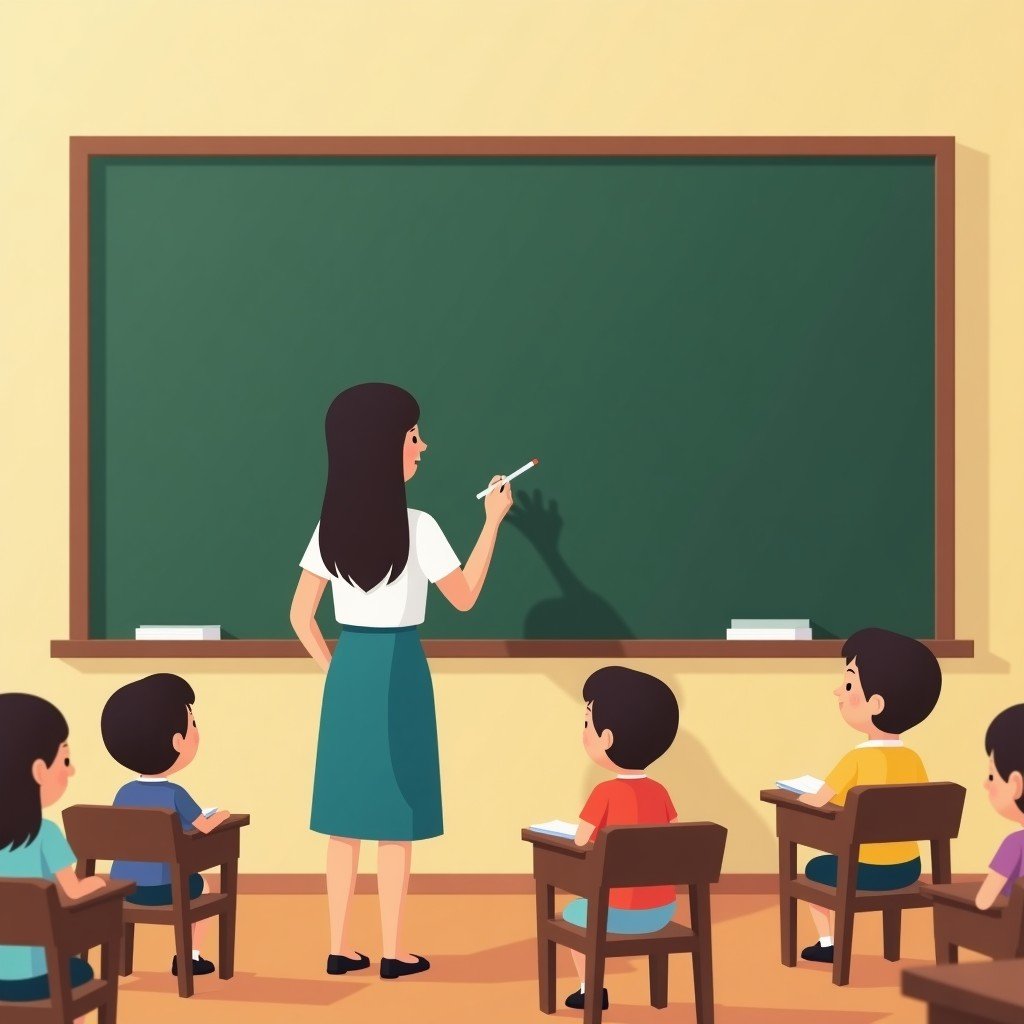
A small village classroom — a general picture about education changing lives quietly, not a book scene.
What the chapter is about
This lesson is about a change that happens quietly, without noise or fighting. In a village, people — especially women — begin to learn to read and write. No big speeches are made, yet life slowly changes. Learning gives people confidence, and confidence changes how they speak, work, and take decisions.
The lesson calls this a silent revolution because education changes society from inside. A person who can read can understand her rights, help her children study, and take part in village life. The lesson teaches us that real change does not always come loudly; sometimes it grows step by step, in classrooms and homes.
What you should learn
Education quietly changes people and society, step by step.
Key Terms
- Revolution — A big change in how people live, think, or are governed.
- Silent — Quiet, without noise or show.
- Literacy — The ability to read and write.
- Confidence — Trust in one's own ability to do something.
- Society — People living together with shared rules and customs.
Remember
- Education is a quiet but powerful change.
- Literacy gives confidence and independence.
- Change can grow step by step, not only through big events.
- Educated people help their families and villages.
Exam Tip / Common Mistake
Common mistake: writing only that people learned to read. Explain why it is a 'revolution': it changes confidence, decisions, and village life.
Chart / Table: How a Silent Revolution Grows
| Point | Detail |
|---|---|
| Learning to read | First step towards independence |
| Growing confidence | People speak up and decide for themselves |
| Helping children | Educated parents support schooling |
| Changing village life | Better health, work, and participation |
Practice set (try on your own)
- Why is the revolution called 'silent'?
Hint: Think about quiet change without fighting. - How does literacy change a person?
Hint: Think about confidence and decisions. - Give two ways educated parents help children.
Hint: Think about study help and school support. - Why is education called powerful?
Hint: Think about slow, deep change. - Name one quiet change education can bring to a village.
Hint: Pick health, work, or participation.
Questions with Answers
- What is the 'silent revolution' in this lesson?
It is the quiet change that education brings to a village, especially when women learn to read and write. - Why is it silent?
It is silent because it happens without noise, speeches, or fighting — it grows step by step in homes and classrooms. - How does literacy change a learner?
Literacy gives a learner confidence, the ability to understand her rights, and the power to take better decisions. - How does one learner's education help others?
An educated person helps her children study, guides neighbours, and takes a fuller part in village life. - What is the main message of the lesson?
The main message is that education is the strongest quiet force for changing individuals and society.
How to use this page: First read the summary, say the key terms in your own words, then try the practice set without looking. Finally check yourself with the questions and answers. Get your answers checked by your teacher or parents.